Four Words That Are Worth a Second Look
In most counterfeit bulk offers, the pitch never admits that the goods are counterfeit. Such sellers adopt the terms of genuine trade instead, with words like “factory,” “stock,” “supply” and “vendor” doing the work. Within branded fashion, each one of these terms conceals its own risk. Search for “sp5der factory” or “wholesale wholesale sp5der tracksuits coach bag factory” and you get listings that offer goods straight from the source at a fraction of retail. The warning signs that agencies and brands name are collected in this checklist, together with a definition of each word and a sense of how large the counterfeit trade is. Each figure carries a date, and every red flag names its source.
What the Words Mean in a Branded-Goods Listing
A brand holds the trademark on goods, while a factory manufactures them. Per Tapestry’s fiscal 2026 annual report, Coach products are produced “by independent manufacturers,” primarily situated in Vietnam, Cambodia, the Philippines and India. “Stock” simply refers to inventory, and Red Points, a brand-protection firm, cautions against sellers who cannot explain where their stock came from. Searching for “sp5der stock” or “coach wholesale pallets” can also turn up liquidation lots, and B-Stock says such lots are sold as-is. A “sp5der supply” label names nothing you can verify, since “Trade supplier” has no formal definition in the sources we checked. “Vendor” is no clearer. In Tapestry’s usage, it means the businesses that produce goods, but the Marc Jacobs warranty requires purchase from an authorized Marc Jacobs vendor, meaning a seller. None of these words tells you where goods came from or whether the brand consented to the sale.
Why You Will Not Get Bulk Goods From a Brand’s Own Factory
It is the brand that chooses who sells its goods, and its manufacturers are not part of the channels it names. The FTC explains that a manufacturer may lawfully “deal only with retailers who agree to that policy,” and that contract status is what “authorized” means. Coach identifies its own stores, its websites and authorized department and specialty stores as the channels where authentic Coach is sold. Sp5der posts no wholesale program or stockist list, while its terms allow it to limit or prohibit orders that appear to come from resellers. Nowhere does either brand mention a factory selling to the public by the carton. That is why a page showing “coach bags wholesale factory” prices describes a channel the brand does not name, and that mismatch is the warning sign. Under US trademark law, the resale of genuine goods after the first sale is generally lawful, but counterfeits are never covered.
How Big the Counterfeit Trade Is
CBP’s count of intellectual property seizures reached 25,079 in fiscal year 2025, up from 20,516 the year before. The agency’s report for that year, released in May 2026, places the seized goods at about 78.4 million items worth about $7.4 billion at manufacturers’ suggested retail prices. Handbags and wallets made up $978,154,783 of that value, ranking third after jewelry and watches. By quantity, China and Hong Kong made up approximately 67% of the goods seized. Fakes account for up to 2.3% of world trade, about USD 467 billion, according to the OECD and EUIPO report “Mapping Global Trade in Fakes 2025,” released in May 2025 with 2021 data. Within 2020 and 2021 customs seizures, clothing made up 21.6% and footwear 21.4%, followed by leather goods and electronics. Federal statutory damages can run up to $200,000 per counterfeit mark per type of goods, or $2,000,000 if willful.
Every Red Flag in Turn
Set out in the table are the red flags wholesale buyers meet most often. Every one is paired with the agency, brand or firm that names it. None of them proves a listing is fake. Equally, the absence of all of them proves nothing. Several at once call for a hard stop. A closer look follows below for the three most common.
| Flag | Usual meaning | Who names it |
|---|---|---|
| Brand-name goods at discount prices | Possibly counterfeit or stolen | FTC (May 2023); ICE |
| A price only slightly below retail | A small discount used as cover | USPTO |
| “1:1”, “mirror quality”, “factory version”, “AAA” | Coded terms for copies | Red Points; LegitScript |
| “Batch” terminology | Apparent slang for copies, unconfirmed | No authority found |
| Misspelled brand or “factory” in the site address | A lookalike counterfeit site | Coach; Sp5der FAQ |
| No street address, telephone number or service email | A seller you cannot verify | ICE |
| Gift card, wire, payment app or crypto only | Payment methods the FTC tells shoppers to avoid | FTC |
Prices Far Under Retail
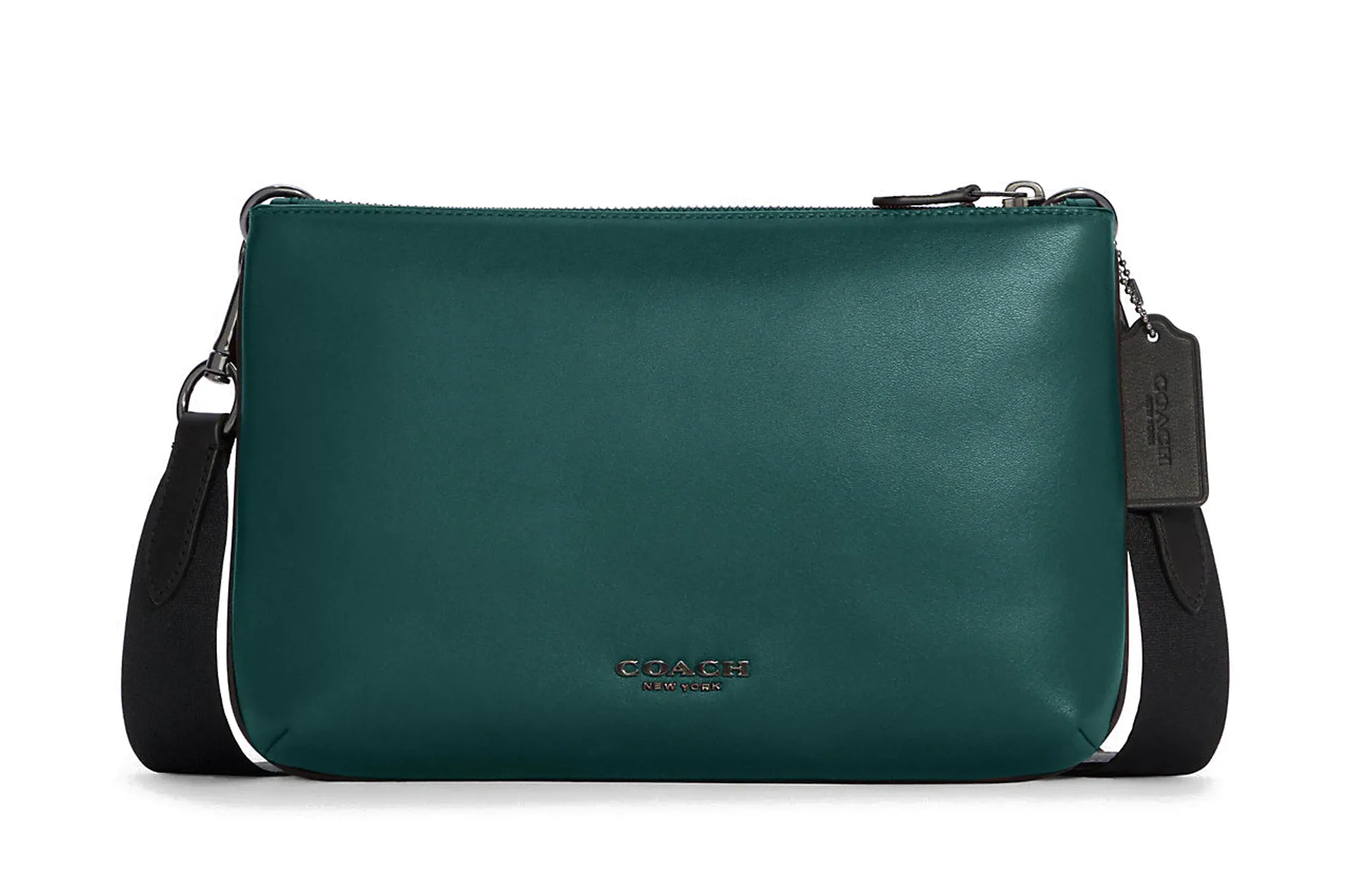
The FTC warns that brand-name goods at bargain prices “could be counterfeit or stolen”. According to ICE’s shopping guide, updated in August 2026, a deal that seems too good to be true probably is. Start from the brand’s own list price when judging “far below”. In November 2026, Sp5der listed 109 of its 135 full-price pullover hoodies at $200, and Coach priced its Tabby Shoulder Bag 26 at about $475. The USPTO warns that counterfeiters “may lower the price only a little to appear legitimate,” so a modest discount proves nothing. Authentic goods also dip below retail, as markdowns in Sp5der’s own archive section show. Price is a reason to investigate, not a verdict.
“Factory,” “1:1,” “Mirror” and “Batch” Terms
Among the coded terms used by counterfeit sellers, Red Points includes “1:1 replica,” “Mirror quality,” “Factory version” and “Superclone”. LegitScript, a compliance company, says that “1:1” claims an exact copy, while “AAA” grades a fake’s quality. “Factory” appears in web addresses too. Coach’s warning is that fake sites misspell its name or claim to be official; one of its examples adds “outlet” and “factory” to the brand name. Per Sp5der’s FAQ, fake sites attach words like “hoodie” or “clothing” to the brand name. Defining “Batch” is more difficult. No consumer- or brand-protection source we examined defines it, so treat it as unconfirmed slang and give such listings the same caution.
Missing or Unverifiable Business Details
Before they buy, shoppers should “verify sellers’ addresses, phone numbers and customer service emails,” ICE advises. Going further, the USPTO recommends buying from brand owners or authorized retailers, since unknown third-party sellers may be counterfeiters. Buyer trust, for an independent reseller, should therefore be earned with evidence. Auction listings, Coach adds, can be counterfeit even when they claim to be authentic. Per the FTC, shoppers should avoid sellers who insist on gift cards, wires, payment apps or crypto. No matter the price, a seller that hides its terms, people or paperwork fails this test.
What a Legitimate Seller Allows You to Check
Evidence before payment is what a trustworthy seller offers. Dated photos of the exact units help you match labels and style codes, such as Coach’s CH857 for the Tabby Shoulder Bag 26 or Tory Burch’s 171271 for the Ella Tote. A small paid sample puts the goods in your hand for inspection. One written invoice listing the parties, goods, quantities and prices gives you a record. With insured, tracked shipping and a packing list, you can count what arrived. None of this authenticates anything, and Coach says it does not authenticate products on request.
Four Independent Resellers and What They Let You Verify
Four stores in the same network sell branded goods in bulk, and this checklist applies to them as well. Each calls itself an independent reseller: it buys finished goods, keeps them in its own warehouse and sells in bulk to stores and resellers. None manufactures anything, and none is a factory, distributor, authorized dealer or brand store. All four stores are independent and not affiliated with, endorsed by or authorized by Sp5der (King Spider LLC), Coach, Tory Burch or Marc Jacobs.
- Sp5der Wholesale, sp5derwholesale.com: Sp5der hoodies, tracksuits and sweatpants, first orders starting from $1,700.
- Coach Wholesale, coach-wholesale.com: Coach bags, handbags, wallets and accessories, with a first order from $1,700.
- Tory Burch Wholesale, toryburchwholesale.com: Tory Burch handbags, first order from $2,000.
- Marc Jacobs Wholesale, marcjacobswholesale.com: Marc Jacobs bags including The Tote Bag, The Snapshot and The Sack Bag, first order from $2,000.
Held up against the red flags above, here is what you can verify. Quotes are built from units in the warehouse that day, and email replies come from a person within 8 to 12 hours. You can request dated photos of the exact units or a paid sample of one or two units before paying, with the cost credited to the first order. Each order is shipped insured by FedEx, UPS or DHL with a commercial invoice and a packing list, and any claim is reported within 30 days of delivery. Against one invoice for the goods and insured shipping, you pay by PayPal or bank card. The stores describe their goods as authentic finished goods held in stock, and these checks let you test that description, but they are not a guarantee.